Why Your Parents' Travel Advice Doesn't Work Anymore
Picture this: You're at the airport, toddler melting down because the tablet died, nappy bag spilling across the floor, while your mum's voice echoes in your head: "We just showed up and figured it out." You love her. But right now, that advice feels about as useful as a paper map in a rainstorm.
Your parents mean well. Their travel stories come from genuine experience. But the world they travelled in doesn't exist anymore, and pretending it does just makes your life harder. This isn't about whose approach is better. It's about acknowledging that modern travel with toddlers requires different strategies because the entire landscape has changed.
Let's talk about why their advice falls short and what actually works now.
The guidebook gathering dust in your parents' attic
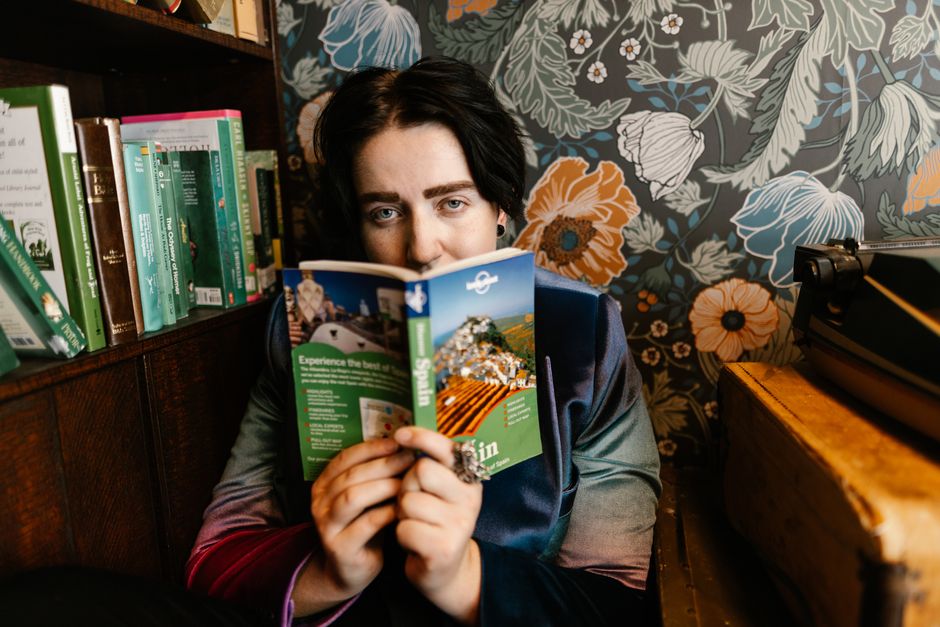
Your parents packed a Lonely Planet guide, called hotels from payphones, and found restaurants by wandering until something looked decent. If a place was full, they walked to the next one. If the food was terrible, well, that's travel.
You can't do that with a toddler who needs to eat at specific times, requires allergen information before you order, and will absolutely lose it if there's no high chair available. You need to know before you leave home whether a restaurant has a changing table, whether the menu includes something your child will actually eat, and whether other parents rate it as toddler-friendly.
This isn't about being precious. It's about the difference between a manageable meal and 45 minutes of public chaos. The "simpler times" your parents remember included genuine stress and uncertainty that they've conveniently forgotten. When you're travelling with small children, that uncertainty doesn't feel adventurous. It feels exhausting.
We understand this at Toddler Vacay because we've built our entire approach around the reality of modern family travel, not the nostalgia of it.
Why 'just wing it' doesn't work when you're travelling with a toddler
Spontaneity worked for your parents because the expectations were different. Parenting in the 1980s and 1990s operated under different rules. Public tantrums happened, people tutted, everyone moved on. There was less scrutiny, fewer safety concerns, and frankly, less information about what could go wrong.
Winging it now backfires in specific, predictable ways. You miss the nap window and spend the afternoon managing a meltdown instead of seeing the city. The restaurant doesn't have high chairs. You run out of snacks at exactly the wrong moment. None of this is catastrophic, but it's all preventable.
Modern parents carry what's called the mental load: the invisible work of planning, remembering, and coordinating that keeps family life running. This concept didn't have a name when your parents were raising you, which meant it wasn't acknowledged or valued. Recent predictions suggest increased emphasis on mental health for both children and parents, which includes recognising this planning burden as real work, not anxiety.
Planning isn't neurotic. It's smart. It's the difference between enjoying your trip and just surviving it.
Nap schedules trump sightseeing schedules
We understand child development better now. We know that overtired toddlers don't just get cranky; they become genuinely dysregulated in ways that affect everyone's experience for hours.
This means choosing a 2pm museum visit over a 1pm one because it aligns with post-nap energy. It means building your entire day around sleep windows, not landmarks. Your parents pushed through because that's what you did then. It probably created stress they've since forgotten.
Protecting sleep schedules isn't rigid. It's recognising that a well-rested toddler makes everything else possible.
Your parents didn't pack noise-cancelling headphones and backup iPads
Your parents didn't have tablets, portable chargers, white noise apps, or GPS trackers because they didn't exist. If they had, they absolutely would've used them.
These aren't crutches. They're practical tools that make travel safer and less stressful. The noise-cancelling headphones that help your toddler sleep on the plane. The backup battery that keeps the tablet running during a delayed flight. The app that plays familiar bedtime sounds in an unfamiliar hotel room.
Don't apologise for using technology. Frame it as preparation your parents would've embraced if it had been available.
Food allergies and dietary restrictions weren't dinner table conversation
Food allergies are more prevalent and better diagnosed now. This requires advance planning your parents never needed. You can't just show up at a restaurant and hope for the best when your child has a severe allergy.
You need to research allergen menus before you book. Pack safe snacks for every scenario. Carry an EpiPen and know where the nearest hospital is. This isn't paranoia. It's responsible parenting in an era where we actually understand these risks.
Dietary preferences have also shifted. More families are vegetarian, prioritise organic food, or have specific nutritional approaches. The "kids eat what's served" philosophy doesn't account for these choices, which means more planning is required.
What changed: why travel looks different for millennial parents
This isn't just about individual choices. Broader cultural and social shifts have fundamentally changed parenting. Parenting roles are becoming more egalitarian, with greater sharing of responsibilities between mothers and fathers. This changes how families plan and execute travel because both parents are more involved in the mental load.
These shifts aren't trends you can opt out of. They're the water you're swimming in.
We're parenting in public (and everyone has opinions)
Social media and smartphone cameras mean every parenting moment can be scrutinised and shared. A toddler tantrum in 1990 was witnessed by maybe 20 strangers who forgot it immediately. Now it could be filmed, posted, and commented on by thousands.
This visibility increases pressure to "perform" good parenting. It makes spontaneous travel more stressful because you're not just managing your child; you're managing how your parenting is perceived by an invisible audience.
This isn't vanity. Public judgement is a real modern pressure that affects how parents make decisions, including travel decisions.
The mental load didn't have a name in 1985
Mental load is the invisible planning, remembering, and coordinating that falls disproportionately on mothers. It's remembering to pack sunscreen, snacks, spare clothes, entertainment, booking confirmations, and backup plans for when things go wrong.
Your parents did some of this work, but it wasn't named or acknowledged. Naming it matters because it validates why modern parents need more structure and planning. It's not helicopter parenting. It's carrying the weight of making sure everything actually works.
When you're travelling, this load intensifies. Every decision has consequences, and you're the one tracking all of them.
Your mum didn't Google 'toddler meltdown on plane' at 2am
Information overload is real. You have access to endless advice, which also means endless anxiety about doing it "right." AI-powered apps are increasingly popular among parents for easing decision fatigue, but they also contribute to the sense that there's always more you should be doing.
Your parents had maybe one parenting book and advice from their own mothers. Limited information meant less second-guessing, but it also meant more genuine uncertainty.
Neither era had it easier. They just had different challenges.
What actually works: travel advice for parents who can't just 'relax'

You can't change the modern parenting landscape. But you can work with it instead of fighting against it. These strategies won't make travel easy, but they'll make it more manageable. If you're looking for expert guidance tailored to your family's specific needs, the team at Destinations can help you plan trips that actually work for toddlers.
Build in buffer time like your sanity depends on it (because it does)
Add 30 minutes to every transition. Book flights with three-hour layovers, not 90-minute ones. Arrive at your destination before dinner, not at bedtime.
Toddlers move slowly. Things get dropped. Nappies need changing at inconvenient times. Your parents' tighter schedules assumed efficiency and compliance that toddlers simply don't have.
This isn't pessimism. It's realistic planning that reduces stress. When you build in buffer time, delays become manageable instead of catastrophic.
Pre-book everything your parents would've found 'when they got there'
Book restaurants with high chairs. Accommodation with kitchenettes. Activities with appropriate age limits. Car seats for taxis. All of it, in advance.
Pre-booking reduces decision fatigue and eliminates the stress of searching with a tired toddler in tow. Technology makes this easier than ever. Apps and websites let you confirm details that would've required phone calls or in-person visits in your parents' era.
This isn't controlling. It's freeing yourself to be present during the trip instead of constantly problem-solving. You can Compare family-friendly destinations and see exactly what facilities are available before you commit.
Screen time rules can take a holiday (and that's okay)
Give yourself explicit permission to relax screen time limits during travel. Tech-positive, screen-conscious homes are a growing trend, recognising that technology has value when used intentionally.
Unlimited iPad on flights. Hotel TV in the morning while you pack. Phone games during restaurant waits. This isn't abandoning your values. It's being flexible when circumstances demand it.
Travel is already hard. Don't make it harder by maintaining rules designed for normal life.
The trip your parents remember isn't the trip they actually took
Your parents' memories are filtered through time and nostalgia. They've forgotten the hard parts. The stress, the uncertainty, the moments when it all felt too difficult.
Ask them specific questions about challenges they faced. You'll likely discover they had plenty. They just don't lead with those stories now.
You're doing the hard work now. You're adapting to a different world with different pressures and different tools. In 20 years, you'll remember the good parts too. The moments your toddler's face lit up. The unexpected joy. The connection.
Modern parenting requires different strategies. That's not a failure. It's adaptation. And you're doing it well, even when it doesn't feel like it. If you need support planning your next family trip, Toddler Vacay specialises in helping parents navigate modern travel challenges with practical, realistic solutions.