
Real Trips for Less Than $3,000: How These Families Did It
You've seen the Instagram posts. The perfectly curated family holidays that look like they cost a fortune. Then you check your own bank balance and wonder if you'll ever manage more than a weekend at the local caravan park.
Here's what nobody tells you: plenty of families are taking proper holidays for under $3,000. Not by cutting every corner or sleeping in tents. They're staying in decent places, eating well, and actually enjoying themselves. They just approach it differently.
The five families below aren't travel bloggers or trust fund kids. They're regular Australian families who wanted a proper break without the financial hangover. Their trips ranged from $1,840 to $2,920. Some went overseas. Others stayed local. All of them came home without debt.
If you're ready to start planning your own trip, our homepage walks through the practical steps to make it happen.
Why These Families Prove $3,000 Can Work
The difference between a $3,000 holiday and a $7,000 one isn't always the destination. It's the decisions made months before departure.
These families didn't stumble into cheap holidays. They made deliberate choices about timing, accommodation type, and where to spend versus where to save. They booked early. They travelled off-peak. They picked one thing to splurge on and cut back everywhere else.
What matters more than the destination is understanding your actual costs. Flights, accommodation, food, activities, transport. Most families underestimate food by 30-40%. They forget about airport transfers, park entry fees, and the reality that kids get hungry every two hours.
The families below tracked everything. Not obsessively, but enough to know where their money went and what they'd change next time.
The Johnsons: Queensland Coast for $2,847 (Family of 4)
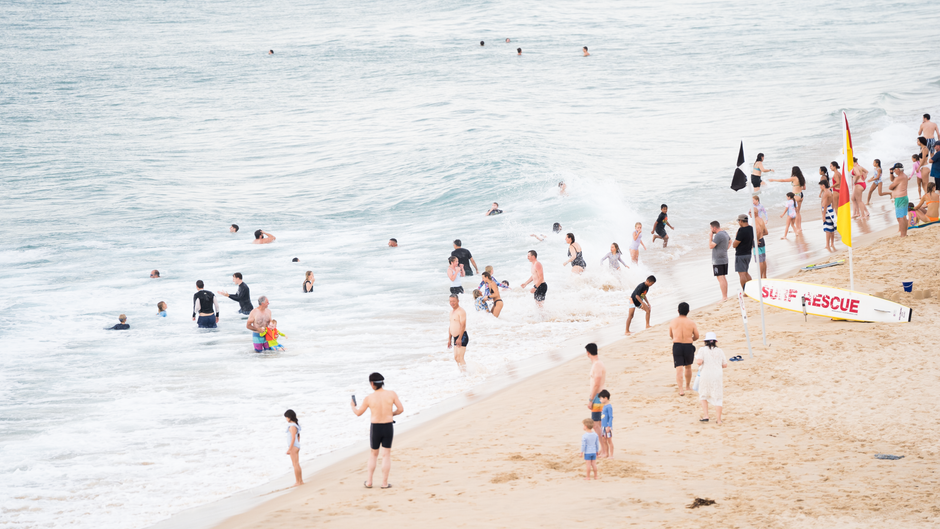
The Johnsons drove from Brisbane to the Sunshine Coast in late April. Two adults, two kids aged 6 and 9. Ten days total.
They avoided school holidays completely. That single decision saved them roughly $600 on accommodation and meant they weren't fighting crowds at every beach.
Accommodation: $980 in off-peak rentals
They booked a three-bedroom apartment in Mooloolaba through a holiday rental site. $98 per night for ten nights. Not a resort. Not beachfront. But clean, with a full kitchen and washing machine.
The kitchen mattered more than the view. It meant they could cook breakfast every day and pack lunches for the beach. That alone saved them $40-50 daily compared to eating out for every meal.
Transport and activities: $1,127
Petrol from Brisbane and back: $180. They already owned the car, so no hire costs.
Activities included Australia Zoo ($396 for the family), a glass house mountains hike (free), Underwater World ($280), mini golf twice ($85), and a sunset cruise ($186). They skipped the expensive theme parks and focused on experiences the kids actually asked for.
Food strategy: $740 with meal prep
Big grocery shop on day one: $220. Smaller top-ups throughout: $180. Eating out four times: $340.
They didn't try to cook every meal. But having cereal, fruit, and sandwich supplies on hand meant they only ate out when they genuinely wanted to, not because they had no other option at 1pm with two hungry kids.
The Nguyens: Bali for $2,650 (Family of 5)
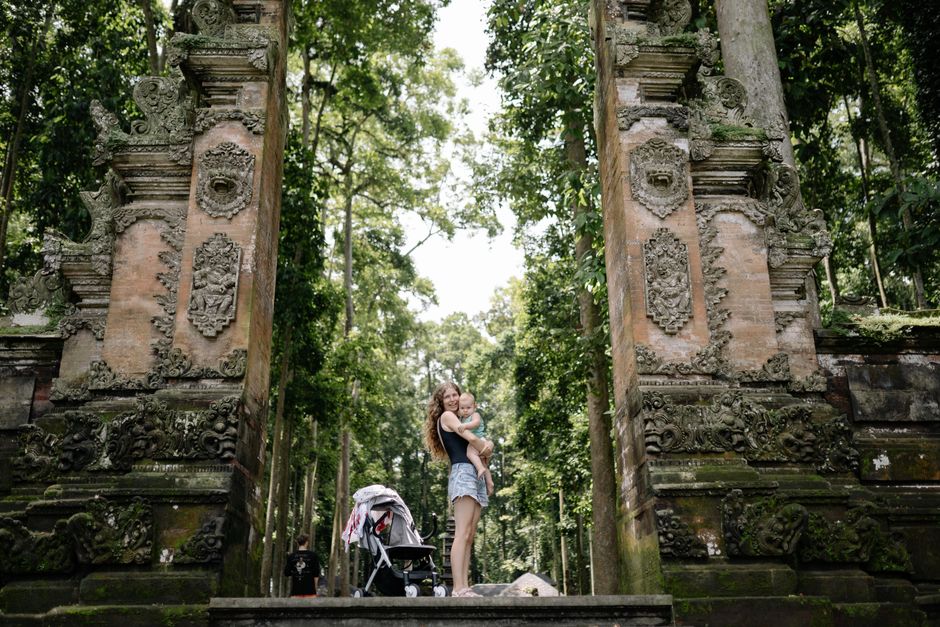
Five people. Eight days in Bali. Late May departure.
The Nguyens knew Bali could be done cheaply, but they also knew it could blow out fast if they weren't careful. They set a hard budget before booking anything and stuck to it.
Flights: $1,450 on shoulder season dates
Perth to Denpasar return for five people. They booked four months out and chose dates in the shoulder season, avoiding both Australian and Indonesian school holidays.
They flew budget carrier but paid for seat selection so the family could sit together. That added $120 but was worth it for their sanity.
Accommodation: $560 in family villa
Private villa with three bedrooms, a pool, and daily breakfast included. $70 per night for eight nights.
The pool kept the kids entertained for hours. The breakfast meant one less meal to organise. The villa wasn't in Seminyak or Canggu. It was 15 minutes inland, which halved the nightly rate.
Daily costs: $640 for 8 days
This covered all meals outside breakfast, transport (mostly Grab), and activities. They ate at local warungs most nights, where a family meal cost $25-35. They did one nice dinner at a beachfront restaurant ($95) and spent the rest on temple visits, a day at Waterbom ($180 for five), and a driver for a full-day tour ($60).
They withdrew cash in large amounts to avoid multiple ATM fees and tracked spending in a notes app each evening.
The Patels: Tasmania Road Trip for $2,920 (Family of 3)

The Patels flew from Melbourne to Hobart in early June. Hired a campervan. Drove the east coast loop over ten days.
Winter in Tasmania isn't for everyone, but it meant cheaper rates and fewer tourists. They packed warm clothes and leaned into it.
Campervan hire: $1,400 for 10 days
They booked a basic campervan with a double bed and a single bunk. No ensuite. No fancy kitchen setup. Just enough to sleep and make simple meals.
The campervan eliminated accommodation costs but added fuel and campground fees. It was a trade-off that worked for them because they wanted flexibility to move around without booking ahead.
Fuel and park fees: $680
Fuel for 1,800km of driving: $380. National park passes and campground fees: $300. They stayed in powered sites most nights ($35-45 per night) and used the campervan's heating.
They didn't try to free camp with a young child. Paid sites meant access to hot showers and toilets, which mattered more than saving $30.
Food and activities: $840
Groceries for ten days: $420. Eating out occasionally: $180. Activities including Freycinet National Park walks (free), a wildlife park ($85), and a cheese/chocolate tasting tour ($155).
They cooked pasta, stir-fries, and toasted sandwiches in the campervan. Nothing elaborate. Just enough to avoid spending $100 daily on meals.
The Thompsons: Fiji for $2,795 (Family of 4)
Seven nights at a family resort in Fiji. Two adults, two kids aged 4 and 7. Late October departure.
The Thompsons wanted a proper resort experience without the $6,000 price tag. They found a package deal and built their budget around it.
Package deal: $2,200 for flights and resort
They booked through a travel agent who had access to package rates not available online. Flights from Sydney plus seven nights in a resort with kids' club, pool, and half-board meals.
Half-board meant breakfast and dinner included. That removed the biggest variable cost and let them relax without constantly calculating meal expenses.
Meals and extras: $595
Lunches for seven days: $280. Drinks and snacks: $140. Two paid excursions (snorkelling trip and village visit): $175.
They brought reusable water bottles and refilled them rather than buying bottled water constantly. Small thing, but it saved $50-60 over the week.
The Chens: Blue Mountains for $1,840 (Family of 4)
Five nights in the Blue Mountains. Drove from Sydney. Mid-September.
The Chens wanted a break but didn't want to fly. The Blue Mountains gave them scenery, fresh air, and enough to do without the complexity of international travel.
Accommodation: $720 for 5 nights
Self-contained cottage with two bedrooms, full kitchen, and a fireplace. $144 per night. Booked six months ahead to lock in the rate.
The fireplace wasn't just aesthetic. It meant they could stay warm without cranking the heating, and the kids loved toasting marshmallows in the evenings.
Transport: $280 in petrol
Return trip from Sydney plus driving around the region. They already had the car. No hire fees. No flights. Just fuel.
Activities and food: $840
Groceries: $320. Eating out three times: $240. Scenic World tickets: $160. Jenolan Caves tour: $120. Everything else (bushwalks, lookouts, playgrounds) was free.
They cooked most dinners in the cottage and ate out for lunch when they were already out exploring. It felt like a treat without the cost of two restaurant meals daily.
When you're comparing different options for your own trip, our Compare tool helps you see the real cost differences between destinations.
The Three Tactics Every Family Used
Different destinations. Different budgets. But every family followed the same three principles.
Booked 4-6 months out for better rates
None of these families booked last-minute. They planned ahead, locked in rates, and avoided the price surge that happens within 6-8 weeks of departure.
Booking early also meant better availability. They got the accommodation they actually wanted rather than settling for whatever was left.
Chose one splurge, cut everywhere else
The Johnsons splurged on Australia Zoo. The Nguyens chose their villa. The Thompsons picked the resort package. Each family identified the one thing that mattered most and built the rest of the budget around it.
This isn't about deprivation. It's about being intentional. You can't splurge on everything and stay under $3,000. But you can splurge on one thing and still have a great trip.
Saved $50-80/week for 8-12 months prior
Every family saved in advance. They didn't put the trip on a credit card and hope for the best. They set aside money weekly and built up the budget over time.
According to financial planning guidance, automating savings into a separate account makes it easier to build funds without constantly thinking about it. Several families used this approach, treating their holiday fund like a non-negotiable bill.
Your Family Can Be Next
These trips aren't outliers. They're what happens when you plan properly, book early, and make deliberate choices about where your money goes.
Start by picking your destination. Then work backwards. What will flights cost in shoulder season? What's realistic for accommodation if you book now? How much will you actually spend on food if you're honest about it?
Set up a separate savings account. Automate $60-80 per week into it. In eight months, you'll have $2,000-2,500 without feeling the pinch.
The families above didn't have secret hacks or insider connections. They just decided a holiday mattered enough to plan for it properly. If you're ready to explore where you could go, check out our Destinations section for practical breakdowns of what different trips actually cost.
Your family can absolutely do this. You just need to start now.


