The Only Travel Gear That Actually Matters When You're Traveling with Toddlers
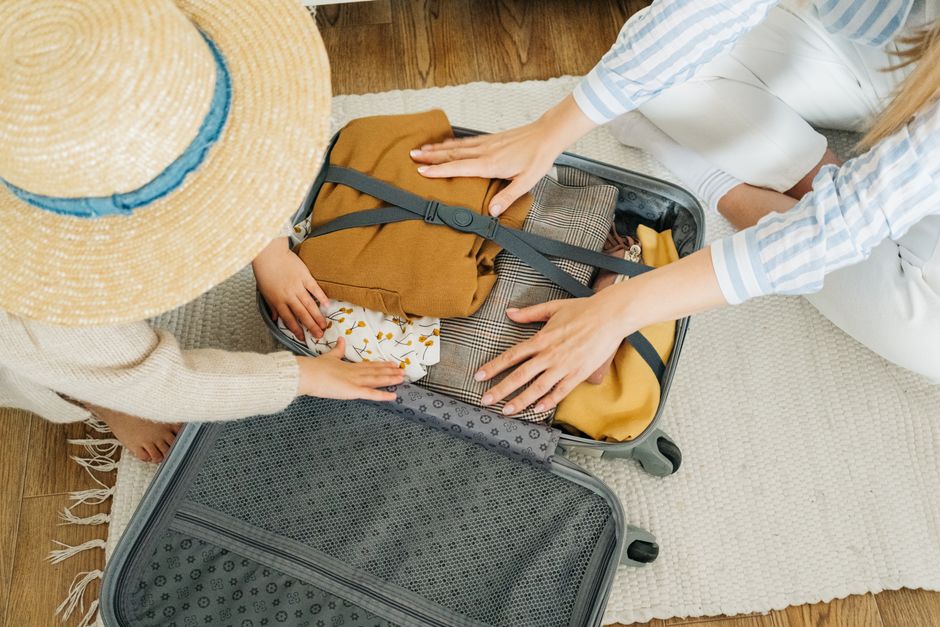
Most parents pack 60-70% more than they need when travelling with toddlers. You know the drill: three bags stuffed with gear you'll never touch, $400 spent on items that seemed essential online, and the creeping realisation halfway through day two that you've been lugging around dead weight.
This isn't about minimalism for its own sake. It's about identifying the five items that genuinely matter and cutting everything else. The financial cost is real—parents typically waste $300-500 on unused gear per trip. The mental cost is worse. Every extra item is another thing to track, pack, unpack, and stress about.
What follows isn't a comprehensive packing list. It's a filter-based approach that strips travel gear down to what actually gets used. No brand recommendations. No affiliate links. Just the specific criteria that separate essential from unnecessary.
Why Most Travel Gear Lists Miss the Point (And Cost You Hundreds)
Generic travel gear lists are written by people who either don't travel with toddlers or are paid to recommend products. The result is the same: you buy things you don't need.
The problem breaks down into three categories. First, gear that duplicates what's already available. Full travel cots when hotels provide them. Portable bathtubs when every accommodation has a bath or shower. Elaborate meal prep systems for a four-day trip when you'll eat out most meals anyway.
Second, gear for problems that rarely happen. Specialized sun tents for occasional outdoor meals. Beach toy sets for one beach day. Emergency medical kits with 40 different medications when you're staying in a city with chemists on every corner.
Third, gear that's too bulky for actual travel. Full booster seats that require a stable chair underneath. Travel systems that weigh 20kg and need two hands and a flat surface to fold. Jogger strollers designed for suburban footpaths, not cobblestones or restaurant aisles.
Add it up and you're looking at $300-500 in wasted spending per trip. That's not counting the luggage fees, the stress of managing it all, or the time spent researching and buying things you'll use once or never.
The Three-Question Filter That Cuts Your Packing List in Half
Every item must pass three questions to make the final list. This framework eliminates roughly 50% of typical gear recommendations. It's the antidote to marketing-driven packing lists and the anxious over-preparation that comes from reading too many blog posts written by people who've never actually done this.
The questions are simple. Does it solve a toddler-specific problem that adults don't have? Will you actually use it more than once during the trip? Can you buy it at your destination if you're wrong?
If an item fails any of these three tests, it doesn't come.
Does it solve a toddler-specific problem that adults don't have?
Toddler-specific means problems unique to ages 1-3. Inability to sit safely in adult chairs. Need for specific sleep conditions. Dietary restrictions that require particular food formats.
Regular luggage fails this test. Adults need luggage too, so it's not toddler-specific. Entertainment devices fail. Tablets aren't unique to toddlers—adults use them as well. Travel pillows fail. If adults face the same problem, the destination will have solutions available.
The point is to separate genuine toddler needs from general travel needs that happen to involve a toddler.
Will you actually use it more than once during the trip?
Single-use items should be bought at destination or borrowed, not packed. Beach toys for one beach day don't earn their luggage space. Elaborate sun tents for occasional outdoor meals don't either. Specialized clothing for one activity doesn't justify the weight.
Luggage space and weight have real costs. Airlines charge for extra bags. You're carrying everything through airports, up stairs, into taxis. Every item must earn its place through repeated use—ideally multiple times per day throughout the trip.
Contrast that with items that get used daily: a stroller for every outing, a portable high chair for every meal, food pouches for every snack time.
Can you buy it at your destination if you're wrong?
Most destinations have chemists, supermarkets, and basic shops. You're not trekking to remote wilderness. You're going to places where people live and raise children.
The rule is pack for 80% certainty. If there's a 20% chance you won't need it and you can buy it locally, leave it home. Nappies? Buy them there. Wipes? Buy them there. Basic snacks, sunscreen, basic medications? All available locally.
The exceptions are prescription medications, specialized dietary items for allergies, and critical comfort items like a specific dummy. Those are genuine essentials because they can't be easily replaced.
This isn't about buying everything at destination. It's about reducing anxiety over "what if" scenarios that rarely materialise.
The Five Items That Pass the Filter (And What to Skip)

This is the complete list. If it's not here, you don't need it.
Each item solves a genuine toddler-specific problem, gets used multiple times daily, and can't be easily sourced at most destinations. Even these five have specific criteria—not just any version will do.
A compact stroller that folds with one hand — not a travel system
It must fold with one hand while you're holding a toddler. It must fit in overhead bins or under restaurant tables. It must weigh under 7kg.
Travel systems fail because they're 15-20kg, require two hands and space to fold, and are designed for car-dependent life, not travel. You can't collapse them quickly when boarding a bus or entering a cafe. They don't fit in tight spaces.
This gets used 5-10 times per day. Naps on the go. Restaurant seating when high chairs aren't available. Tired toddler transport when you've still got three blocks to walk.
Umbrella strollers are too flimsy for uneven pavements and lack storage for your bag and purchases. Joggers are too bulky for narrow European streets or crowded markets.
A clip-on portable high chair — not a full booster seat
The clip-on chair attaches to tables and folds flat. It weighs under 1kg. It solves the problem of toddlers who can't sit safely at adult table height.
Full booster seats fail because they require a stable chair underneath, which isn't always available. They take up luggage space. Many restaurants won't allow them for safety reasons—their insurance doesn't cover customer-provided seating.
You'll use this at every meal. Airbnbs that don't have high chairs. Cafes with only adult seating. Outdoor tables at markets or parks. Check the weight limit before you buy—usually around 15kg—so you know when your child outgrows it.
Reusable food pouches — not an entire meal prep kit
Three to four reusable pouches that you fill with yoghurt, smoothies, or pureed fruit from local shops. That's it.
Full meal prep kits fail because they require refrigeration, take up massive luggage space, and assume you can't buy toddler food at your destination. You can. Every country has yoghurt and bananas.
These pouches solve plane snacks, car trips, and emergency hunger moments. Not every meal. You fill them with locally-bought food, not pre-prepared meals from home. The point is convenience and mess reduction, not elaborate food preparation while travelling.
A white noise app and portable blackout blind — not a full sleep system
A free white noise app on your existing phone. A lightweight blackout blind that suctions to windows and weighs under 200g. Together they cost less than $30.
Full sleep systems fail because travel cots are provided by most accommodations. Elaborate sound machines are bulky. Blackout curtains are usually already installed in hotels.
These two items solve the actual sleep disruptors: unfamiliar sounds and too-bright rooms during day naps. They don't solve every sleep challenge, but they address the most common ones without requiring you to pack $200 worth of equipment.
Familiar sleep sacks or comfort items still come, but they're not gear—they're essentials.
A small first aid kit with paracetamol and antihistamine — not a pharmacy
Research shows that premade first aid kits are more comprehensive than self-assembled versions, with basic kits ranging from $14-34. You only need paracetamol for fever and pain, antihistamine for allergic reactions, bandaids, and antiseptic.
Full pharmacy kits fail because you're travelling to places with chemists, not remote wilderness. Most medications expire before you use them. You don't need 40 different items for every possible medical scenario.
Prescription medications and specialized items for known conditions are different—those are genuine essentials. This kit addresses the 2am fever or unexpected rash, not every theoretical emergency.
What Changed After 47 Trips: The Gear We Actually Kept Using
After 47 trips with toddlers, these five items are the only gear that got used on every single trip. Everything else got eliminated.
The financial difference is significant. This approach costs $300-400 total versus $800-1,200 for typical "complete" travel gear lists. That's real money saved, not theoretical.
What got cut over time? Travel cots that hotels provided anyway. Elaborate meal systems that required more effort than buying food locally. Portable bathtubs that were never actually necessary. Specialized toys that got ignored in favour of whatever was at the destination. Redundant safety gear for problems that never materialised.
The result isn't just financial. Less gear means less stress. Easier logistics. More flexibility to actually enjoy travel instead of managing equipment.
You can buy almost anything at your destination if you genuinely need it. That's the reassurance that makes this approach work. You're not gambling with your child's comfort or safety. You're just acknowledging that other places have shops too.
If you're planning your first trip with a toddler and want expert guidance on destinations that actually work for young families, Toddler Vacay specializes in helping parents navigate family travel with practical, tested advice. Sometimes the hardest part isn't what to pack—it's knowing where to go.