What Families Really Bring on Toddler Trips (Tested by 200+ Parents)
You've seen the packing lists. The ones that tell you to bring 47 nappies, three changes of clothes per day, and a portable white noise machine that weighs more than your toddler.
This isn't one of those.
This list comes from real families who've actually travelled with young kids. Not once. Repeatedly. The items here aren't theoretical. They're the things parents reach for first when packing for the next trip, because they've already learned what works.
Why This List Exists (And Why It's Different)
Most packing lists are written by people who haven't spent three hours on a plane with a screaming toddler. Or discovered at 2am that the hotel doesn't have a cot. Or realised halfway through a road trip that the snacks you packed are now ground into the car seat.
This list is different because it's built from experience. Over 200 families contributed to what you're reading. They've made the mistakes. Forgotten the essentials. Overpacked the non-essentials. And they've figured out what actually matters.
The result is a packing framework that adapts to your child's age, your destination, and your tolerance for chaos. Use it as a starting point, not a prescription.
The Core 50: What Every Parent Packs Every Time

These are the non-negotiables. The items that go in the bag regardless of whether you're heading to the beach or the snow.
Clothing basics that actually get worn
Pack one outfit per day, plus two extras. Not three changes per day. One. Kids don't need a fashion show. They need clean clothes when something goes wrong.
Bring layers. A lightweight jacket works in more situations than a heavy coat. Socks matter more than you think. Pack double what you'd normally bring. They disappear.
Shoes: one pair they're wearing, one backup. That's it. Don't pack dress shoes for a toddler. They won't wear them.
The toiletries that prevent meltdowns
Sunscreen. Nappies (if applicable). Wipes. These three items prevent more tantrums than any toy ever will.
Bring your own soap and shampoo if your child has sensitive skin. Hotel products are unpredictable. A rash on day two ruins the rest of the week.
Toothbrush and toothpaste. Sounds obvious. Gets forgotten constantly.
A small first aid kit: bandaids, antiseptic cream, paracetamol. Nothing fancy. Just the basics that stop a minor scrape from becoming a major drama.
Documents and money essentials
Passports, travel insurance details, and copies of both stored separately. If you're travelling internationally, check visa requirements months in advance, not days.
A travel wallet keeps everything in one place. Compact options like the Bellroy Folio Mini work well for parents who need quick access to documents while juggling a child.
Cash in local currency. Not everything takes cards, especially in smaller towns or markets.
The Sanity-Savers: 40 Items Parents Swear Prevent Chaos

These aren't essentials in the survival sense. But they're the difference between a manageable trip and a nightmare.
Entertainment that actually works for more than 10 minutes
Screen time is your friend. Download shows and movies before you leave. Airplane wifi is unreliable and expensive.
Bring headphones. Not earbuds. Proper over-ear headphones that stay on and don't fall out every 30 seconds. Noise-cancelling options help block out cabin noise and keep kids focused on their content.
Small toys that don't have 47 pieces. A single favourite stuffed animal beats a bag full of random plastic. Sticker books work. Colouring books work if you remember the crayons.
New toys create novelty. Buy something small and cheap before the trip. Save it for the moment when everything else has failed.
Snacks that travel well and satisfy picky eaters
Pack more snacks than you think you need. Then pack more again.
Avoid anything that melts, crumbles into dust, or requires refrigeration. Crackers, dried fruit, muesli bars, and pouches are reliable. Chocolate is not.
Bring a refillable water bottle. Airports charge $6 for water. Hotels often don't provide enough. A reusable bottle saves money and reduces waste.
Sleep aids that work in unfamiliar places
A portable white noise machine or an app on your phone. Unfamiliar hotel sounds wake kids up. White noise masks them.
A familiar blanket or sleep toy. It doesn't need to be the entire cot setup from home. Just something that smells right and feels familiar.
Blackout blinds or a large scarf to cover windows. Hotel curtains rarely block enough light for early bedtimes.
The medical kit items you'll actually use
Paracetamol and ibuprofen in liquid form. Teething gel if your child is at that stage. Antihistamine for unexpected allergic reactions.
Thermometer. The kind that works quickly and doesn't require a sleeping child to stay still.
Electrolyte sachets for dehydration. Gastro happens. Being prepared makes it manageable instead of catastrophic.
Age-Specific Additions: 60 Items Sorted by Child's Stage
What you pack changes dramatically based on your child's age. A six-month-old needs different gear than a six-year-old.
Baby essentials (0-12 months)
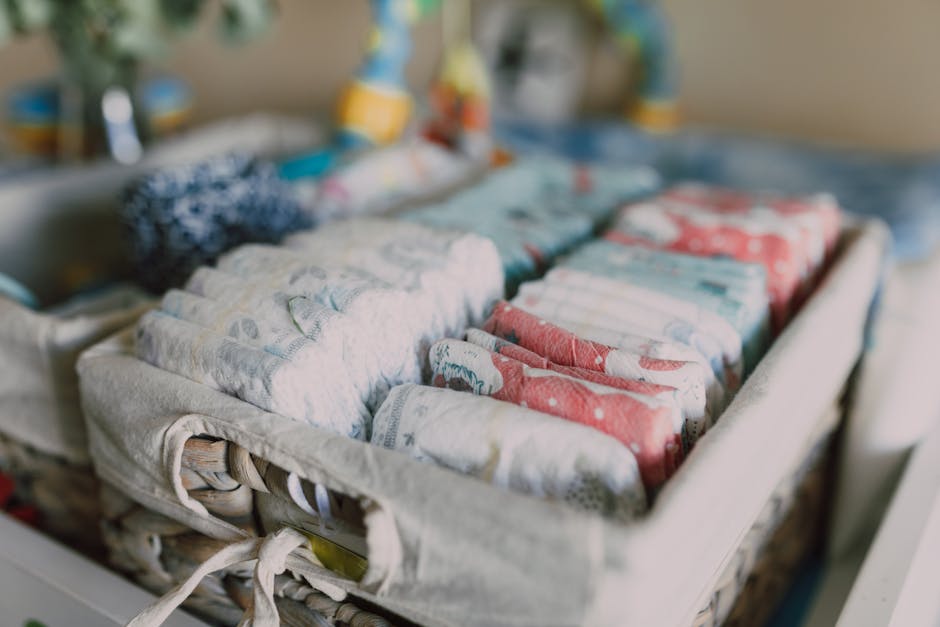
Nappies, wipes, nappy cream. Bring more nappies than you think you'll need. Running out in an unfamiliar city is stressful.
Formula or breastfeeding supplies. If you're formula feeding, bring enough for the entire trip plus extra. International brands differ.
Bottles, dummies, and a portable steriliser if you're particular about hygiene. Bibs that actually catch food.
A lightweight stroller that folds easily. Airport security is faster when you're not wrestling with a pram the size of a small car.
Toddler must-haves (1-3 years)
Pull-up nappies or training pants if you're mid-toilet training. A portable potty seat for public toilets that terrify small children.
Sippy cups that don't leak. Toddlers spill. A lot.
A baby carrier or lightweight stroller. Toddlers walk until they don't. Then they expect you to carry them.
Snacks. So many snacks. Toddlers eat constantly and unpredictably.
Preschool and early primary additions (4-7 years)
Activity books, small puzzles, or card games. Kids this age can entertain themselves for longer stretches if you give them the right tools.
A small backpack they can carry themselves. It makes them feel involved and reduces what you're hauling.
Swimmers and goggles if there's any chance of water. Kids this age live for pools.
Older kids and tweens (8+ years)
Their own device with downloaded content. At this age, they know what they want to watch.
A journal or camera. Some kids enjoy documenting trips. It keeps them engaged and gives them something to do during downtime.
Their own toiletries. Tweens start caring about specific products. Let them pack their own.
The Situational 50+: What to Add Based on Your Trip

Not every trip needs the same gear. A beach holiday requires different items than a ski trip.
Beach and pool holidays
Swimmers, rash vests, hats, and reef-safe sunscreen. A beach tent or umbrella for shade. Sand toys if your kids are young enough to care.
A wet bag for damp swimmers and towels. Leaving wet items in your luggage creates mould and regret.
Cold weather destinations
Thermals, gloves, beanies, and waterproof jackets. Kids lose gloves. Bring spares.
Lip balm and moisturiser. Cold air dries out skin fast, and kids won't think to apply it themselves.
Long-haul flights and road trips
Compression socks for older kids on long flights. They reduce discomfort and swelling during extended periods of sitting.
A portable power bank. Devices die. Kids don't care that you forgot to charge the tablet.
Snacks, entertainment, and a change of clothes in your carry-on. Checked luggage gets lost. Plan accordingly.
Camping and outdoor adventures
Insect repellent, a basic first aid kit, and a headlamp. Torches get dropped and lost. Headlamps stay on heads.
Extra layers. Nights get cold even when days are warm.
International travel extras
A universal travel adaptor. Your devices won't charge without one.
Copies of prescriptions if your child takes regular medication. Some countries require proof.
A basic phrasebook or translation app. Not everywhere speaks English.
The Final 10: What Parents Wish They'd Known to Pack
These are the items parents forget on their first trip and never forget again.
A plastic bag for rubbish. Cars, planes, and hotel rooms don't always have bins within reach.
A small sewing kit. Buttons pop off. Seams split. A quick fix saves a trip to a shop.
Ziplock bags in multiple sizes. They solve a surprising number of problems.
A portable door lock for hotel rooms. It adds a layer of security and peace of mind.
A photocopy of your child's birth certificate if you're travelling without your partner. Some border agents ask for proof of custody.
A list of emergency contacts, including your accommodation address and local emergency numbers.
A pen. Forms still exist. You'll need one.
A reusable shopping bag. It folds into nothing and carries everything.
A small torch. Hotel rooms are dark. Kids wake up disoriented.
Patience. You can't pack it, but you'll need more of it than anything else on this list.
How to Actually Use This List Without Overpacking
This list contains over 200 items. You don't need all of them.
Start with the Core 50. Add the age-specific items for your child. Then look at your destination and add only the situational items that apply.
If you're still unsure what to prioritise, Toddler Vacay specialises in helping families plan trips that actually work. They've tested destinations with young kids and know what matters most for different types of travel.
Pack three days before you leave. Not the night before. Rushed packing leads to forgotten essentials.
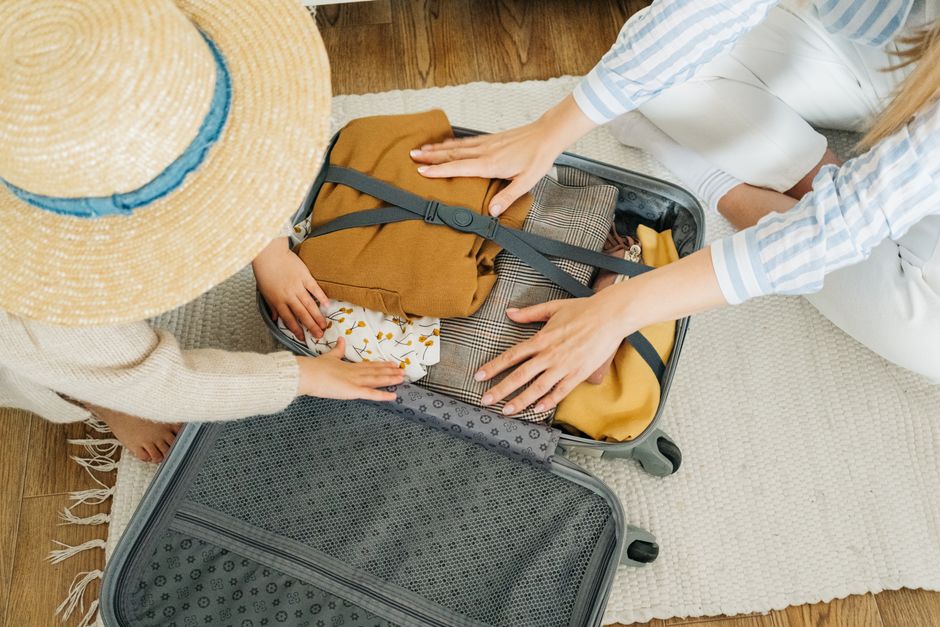
Use packing cubes to organise by category: one for clothes, one for toiletries, one for entertainment. It makes finding things easier and repacking faster.
Lay everything out before it goes in the bag. If it looks like too much, it probably is. Cut ruthlessly.
Remember: you can buy most things at your destination. Forgetting something isn't the end of the world. Overpacking and lugging unnecessary weight through airports is worse.
Travel with kids is never perfect. But with the right gear and realistic expectations, it's manageable. And sometimes, it's even enjoyable.