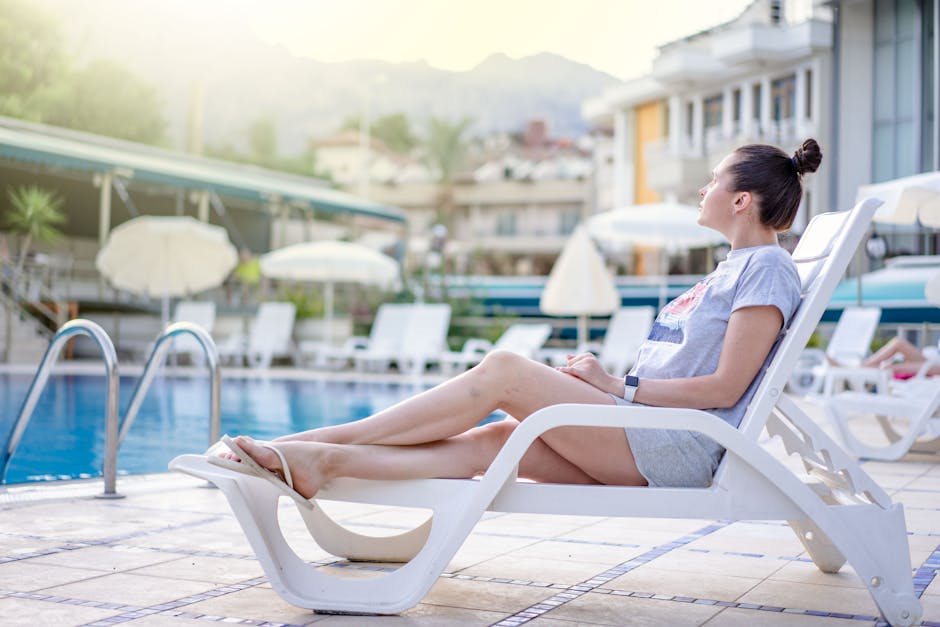
Mandurah Resorts With Toddlers: What They Don't Tell You
You've done your research. The resort website shows happy families by the pool, a "kids club" banner across the homepage, and five-star reviews mentioning "perfect for families." You book three nights, pack the portacot, and drive down to Mandurah with a 20-month-old who's just learned to climb.
Then you arrive.
The pool deck has no toddler barrier. Your ground-floor room opens directly onto it. The kids club doesn't accept children under four. The cot they've provided has peeling paint and a mattress that doesn't fit. And there's a decorative water feature in the lobby that your toddler makes a beeline for within 30 seconds of check-in.
This isn't about bad resorts. It's about a fundamental gap between what "family-friendly" means in marketing and what it actually takes to keep a one- to three-year-old safe. Most Mandurah properties are designed with older children in mind. The safety gaps aren't malicious. They're just invisible to anyone who hasn't spent a week watching a toddler try to eat sand, climb furniture, and test every physical boundary in reach.
Here's what you need to know before you book.
Why 'Family-Friendly' Doesn't Always Mean Toddler-Safe

When a resort says "family-friendly," they usually mean it works for school-aged kids. Children who can swim with supervision. Who understand "don't touch that." Who won't try to eat the decorative pebbles or pull a TV onto themselves.
Toddlers operate differently. They're learning about the world by putting things in their mouths, climbing anything climbable, and moving faster than you think possible when you turn your head for three seconds. A resort that's safe for a seven-year-old can be a minefield for a two-year-old.
Consider the practical differences. An unfenced water feature is fine for older kids who know not to lean over the edge. For a toddler, it's a drowning risk. Open balconies with wide railings? A climbing challenge. Hard tile floors throughout the room? A head injury waiting to happen when they trip while running.
The terminology gap isn't the resort's fault. But it's your job to bridge it before you arrive. If you're looking for genuinely toddler-safe options, start by checking our Destinations page for properties that understand this age group.
The Hidden Safety Gaps Most Resort Websites Don't Mention
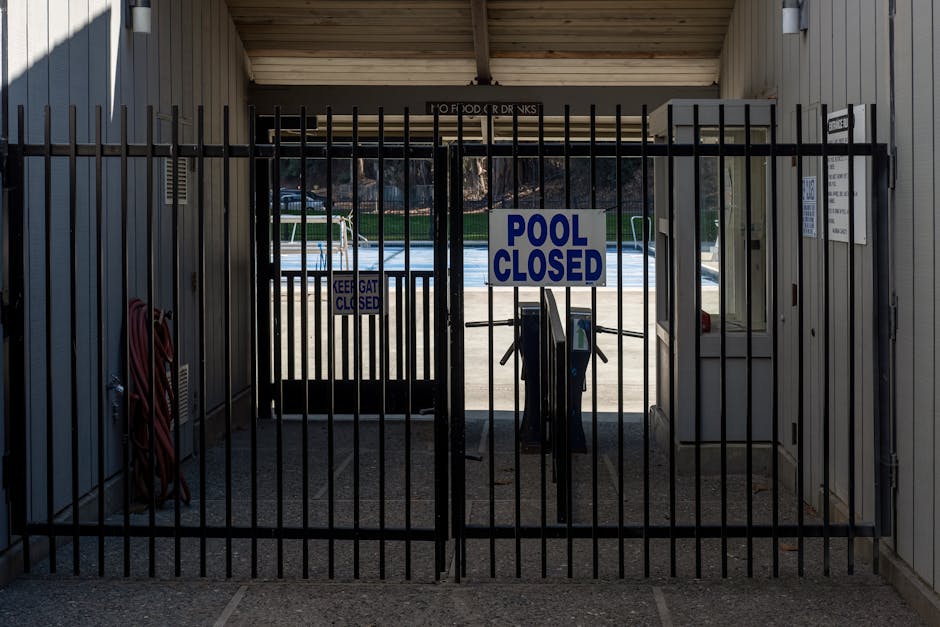
Resort websites show you the pool at sunset. The restaurant with white tablecloths. The manicured gardens. They don't show you the things that matter when you're travelling with a toddler: the gap under the pool fence, the unsecured furniture, the toy box full of small parts.
These aren't secrets. They're just not considered worth photographing. But they're the details that determine whether your holiday is relaxing or three days of constant vigilance.
Here's what to investigate.
Pool Fencing That Meets Standards vs. Pool Areas That Work for Toddlers
Australian pool fencing standards exist to prevent unsupervised access to water. They work. But legal compliance doesn't mean toddler-proof design.
A pool can have compliant fencing and still be accessible to a determined 18-month-old. Self-closing gates that don't latch properly. Climbable furniture positioned near the fence. Multiple access points that you can't monitor simultaneously. Shallow wading areas that aren't separately fenced.
Ask specific questions: Can toddlers reach the pool area from ground-floor rooms? Are there steps or ledges they can climb? Is the shallow end separately gated? How many access points are there, and can you see all of them from your room?
Some pools are genuinely safer than others for this age group. The difference isn't always the fence itself. It's whether the entire area has been designed with very young children in mind, or just made legally compliant.
What 'Kids Club' Actually Means (and What to Ask Before You Arrive)
Many kids clubs only accept children aged four and up. Others technically accept toddlers but have supervision ratios that make you uncomfortable. Some have age-appropriate activities. Others have a box of toys that haven't been safety-checked in years.
This matters more than you might think. In 2022, thousands of children were treated in emergency departments due to toy-related injuries, and product recalls for children's items hit a ten-year high in early 2023 due to excessive lead content and hidden hazards.
Lead exposure is particularly concerning for children under three. Even low levels can lower IQ and cause developmental problems. Cheap plastic toys, brightly coloured jewellery, and art supplies are common sources. Face paints tested in 2009 and 2014 contained lead, nickel, cadmium, and arsenic. Asbestos was found in six crayon brands in 2015.
Ask the resort: What's the minimum age for the kids club? What's the staff-to-toddler ratio? Are toys regularly safety-checked and age-appropriate? Do art supplies meet Australian non-toxic standards?
Don't avoid kids clubs entirely. Just verify that the one you're considering actually understands toddler safety, rather than assuming "kids" means all ages.
Room Safety: The Furniture and Fixtures They Won't Tell You About
Standard hotel rooms are designed for adults. Sharp-cornered coffee tables. Unsecured TVs on low stands. Accessible power points. Blind cords within reach. Balconies with railings that have climbable gaps.
None of this appears in the booking photos. You find out when you arrive and spend the first hour moving furniture and tying up cords.
Ask before you book: Can furniture be removed from the room? Are outlet covers provided? Does the room have a balcony, and if so, what's the railing design? Can the TV be secured or removed? Are there blind cords or other strangulation risks?
Most resorts will work with you if you ask in advance. They won't necessarily think of it themselves. Frame it as a checklist you're working through together, not a complaint about their setup.
The Questions That Reveal Whether a Resort Actually Gets Toddlers

How resort staff respond to detailed safety questions tells you everything. If they answer confidently and specifically, they've dealt with toddler families before. If they're vague or dismissive, you're probably their first caller asking about cot compliance standards.
Use these questions as a vetting tool. You're not being difficult. You're testing whether they understand what you actually need.
Before You Book: What to Ask About Sleep Arrangements
Toddler sleep safety is non-negotiable. Many resort cots are old, poorly maintained, or don't meet current standards. Some have mattresses that don't fit properly, creating entrapment risks. Others have peeling paint or broken parts.
Ask: Are cots compliant with AS/NZS 2172? Can you send photos of the actual cot, not just a stock image? Is there space in the room for a portacot if we bring our own? Are toddler beds available, or only cots designed for babies?
Also ask about room darkening. Toddlers who nap need proper blackout options, not just sheer curtains. Ask about noise levels between rooms. Whether the air conditioning is adjustable. Whether there's space to set up a familiar sleep environment.
If they can't answer these questions or seem annoyed that you're asking, keep looking.
The Meal Service Questions That Separate Toddler-Friendly from Toddler-Tolerant
High chairs are usually available. Whether they're clean and safe is another question. Whether the restaurant can accommodate a 5:30pm dinner time is another question again.
Ask about high chair availability and condition. Whether kitchenettes include toddler-safe utensils, or if you need to bring your own. Whether there's a microwave for heating meals and fridge space for milk and snacks.
Ask if the restaurant offers food texture options suitable for young toddlers. Most kids menus are nuggets and chips, which doesn't help if you're feeding a 15-month-old who's still learning to chew. Can they do plain pasta? Steamed vegetables? Soft proteins?
This isn't about dietary restrictions. It's about whether the resort has actually thought through the logistics of feeding very young children, or just assumes everyone will order from the kids menu.
What to Clarify About Play Equipment and Toy Safety Standards
Play areas look great in photos. What you can't see is whether the toys are age-appropriate, regularly cleaned, or safety-tested.
Small parts are a choking risk for under-threes. Cheap plastics can contain harmful chemicals. Art supplies might not meet non-toxic standards. Wood toys are generally safer than brightly coloured plastics for this age group, but "natural" has no regulated meaning.
Ask: Are play area toys regularly safety-checked? Do art supplies meet Australian non-toxic standards? Are there small parts accessible to children under three? What materials are the toys made from?
This isn't about assuming resorts are deliberately unsafe. It's about verifying that toddler-specific safety standards are being prioritised, not just general child safety.
When you're ready to compare properties that have already been vetted for toddler safety, use our Compare tool to see detailed breakdowns.
When to Walk Away (Even If the Photos Look Perfect)
Some red flags mean you should keep looking, regardless of how good the resort looks online.
Vague answers to safety questions. No toddler-specific policies. Staff who seem annoyed or dismissive when you ask detailed questions about cot standards or toy safety. Reviews that only mention older children having a great time.
Your instincts matter more than marketing. If something feels off during the booking process, trust that feeling. A resort that doesn't take your questions seriously before you arrive won't suddenly become attentive once you're there.
It's better to keep searching than to compromise on safety for the sake of a holiday. Being picky about this isn't overprotective. It's realistic about what toddlers need and what most resorts aren't designed to provide.
The right property exists. It's just not always the one with the best photos.