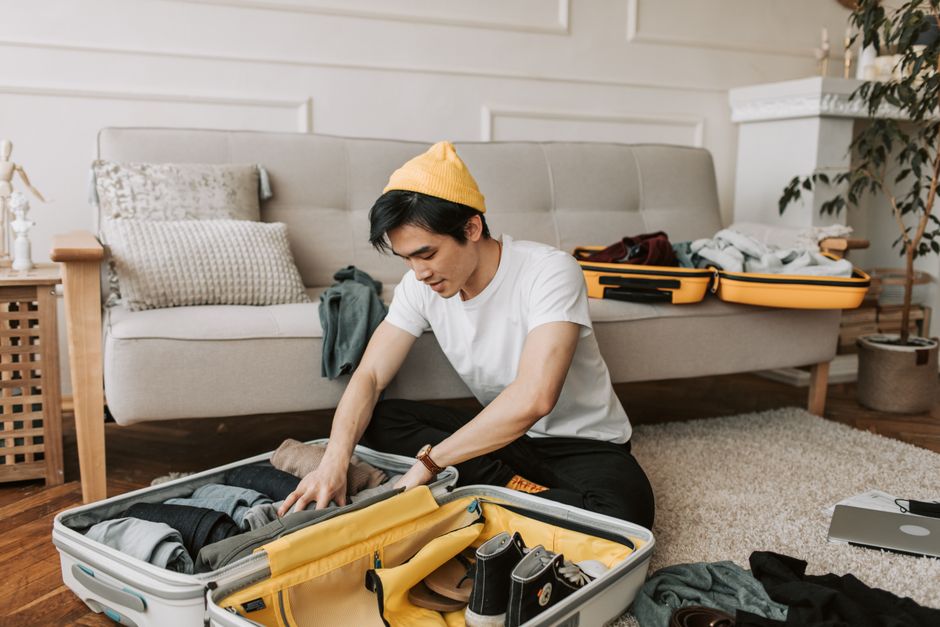
The Exact Packing System That Cuts Our Prep Time in Half
It's 11:47pm. Your flight leaves at 6am. The suitcase is open on the bed, half-filled with random clothes you've pulled from drawers. Your seven-year-old appears in the doorway asking if you've packed Mr Bunny. You haven't. You're not even sure where Mr Bunny is. The charger cables are still plugged into walls around the house. You've forgotten which drawer has the kids' swimmers.
This isn't a packing problem. It's a system problem.
What follows is the exact method we use to pack for a family trip in 15 minutes. Not 15 minutes of frantic throwing-things-in-bags chaos. Fifteen minutes of calm, methodical packing where nothing gets forgotten and the suitcase actually closes on the first try.
This system has been tested by real families travelling with toddlers and primary-school kids. Not travel bloggers with one perfectly behaved child and a Ring Light. Families dealing with nappy bags, car seats, and children who change their mind about their favourite toy three times before you reach the airport.
The promise is simple: if you set this up once, you'll never spend an hour hunting for items at midnight again.
Why Packing Takes Forever (And Why It Doesn't Have To)
Packing drags because of three specific failures, not because you're disorganised or bad at planning.
First: decision fatigue. Every item requires a micro-decision. Do we need three pairs of shorts or four? Will it be cold enough for a jumper? Should I pack the good camera or just use my phone? Multiply that by every family member and you're making 200+ decisions before a single item goes in the bag.
Second: physical disorganisation. The kids' sunscreen is in the bathroom. The travel adapter is in the study drawer. Someone's bathers are still in the laundry from last summer. You're not packing. You're conducting a house-wide scavenger hunt.
Third: repacking. You get everything in, zip it up, then remember the phone chargers. Unzip. Repack. Remember the kids' medications. Unzip again. The suitcase won't close now because nothing's in the same position. Start over.
The problem isn't lack of time. It's lack of system. Once you remove the decision-making and the hunting, packing becomes pure execution. That's where the time savings come from.
The 3-Zone System: How We Pack in 15 Minutes Now
The system works like this: your luggage has three distinct zones. Each zone has a specific purpose, a specific packing method, and a predetermined list of what goes in it.
You're not deciding what to pack each trip. You're following a template you created once.
Zone 1 is your essentials pouch. Everything you need within two hours of landing. Zone 2 is your rolling station for daily wear. Zone 3 is your flat-pack layer for bulky items that don't roll well.
The reason this works is simple: rolling saves space and minimizes creases for casual clothing, while flat-packing handles the items that would create lumps if you tried to roll them. You're using the right technique for the right items, not forcing everything into one method.
Zone 1: The 'Grab and Go' Essentials Pouch
This pouch contains only items you'll need within two hours of arrival. Phone chargers. Medications. Wipes. Snacks for the kids. Travel documents if you're flying internationally. A change of clothes for toddlers prone to accidents.
Use a clear toiletry bag or small packing cube. It stays at the top of your suitcase or in your carry-on. When you arrive at your accommodation, this pouch comes out first. Everything else can wait until you've settled in.
Here's the part that saves time: this pouch never gets fully unpacked between trips. After you return home, you refill it immediately. Chargers go back in. Medications get restocked. It lives ready in your cupboard.
No clothing goes in Zone 1 unless it's emergency backup for a toddler. Everything else belongs in Zone 2 or 3.
Zone 2: The Rolling Station for Daily Wear
This is where your everyday clothes live. T-shirts, shorts, casual dresses, lightweight pants. Anything you'd wear during normal holiday activities.
Roll each item tightly. Lay it flat, fold the sleeves in, roll from bottom to top. Stand the rolls vertically in your suitcase like files in a drawer. This method uses space efficiently and keeps creases minimal for casual wear.
Zone 2 sits in the middle layer of your suitcase. It's the section you'll access most often during your trip, so it needs to be reachable without unpacking everything underneath.
The rolling technique matters here. Loose rolls create gaps. Tight rolls maximise space. If you're packing for kids, their smaller clothes roll even faster and fit into corners around your own clothing.
Zone 3: The Flat-Pack Layer for Bulky Items
The bottom layer is for items that don't roll well. Jeans. Jumpers. Jackets. Shoes.
These items create the foundation of your suitcase. Lay jeans and jumpers flat at the bottom. Place shoes in the corners, soles facing outward. Use the interior of shoes to store socks or underwear. This fills dead space and keeps small items contained.
Bulky items also fill the gaps around the edges of your suitcase where rolled clothes don't fit neatly. A jacket folded along the side creates a buffer that stops your rolls from shifting during transit.
Don't bother with bundle wrapping here. It prevents wrinkles beautifully, but it's too time-consuming when you're packing for a family. Save that technique for business trips where you need a suit to arrive perfect.
The Night-Before Prep That Makes Morning Packing Painless

The actual secret to 15-minute packing isn't speed. It's doing the thinking the night before, not the morning of departure.
This prep takes 20 minutes once. It saves hours of stress across every future trip. You're setting up your system, not doing the packing yet.
Create your master packing list once (then never think again)
Open a note on your phone or a Google Doc. Create three sections labelled Zone 1, Zone 2, and Zone 3.
Under each zone, list exactly what goes there. Be specific about quantities. "4 t-shirts per person per 3 days." "2 pairs of shorts per child." "1 jumper per person regardless of destination."
This list gets reused for every trip. You don't recreate it. You just tick items off as you pack them. The thinking is done. You're just executing.
This is the same logic as the essentials box concept people use when moving house. Pack the things you'll need immediately in one clearly labelled container. Don't mix them with everything else.
Set up your three zones the night before departure
The night before you leave, create three physical areas in your home. Essentials pouch on the kitchen counter. Rolling pile on your bed. Bulky items near the suitcase.
Family members can add their items to the correct zone throughout the evening. Your partner puts their jeans in the bulky pile. The kids add their t-shirts to the rolling pile. Everyone's responsible for their own contribution.
Morning packing becomes pure execution. Roll Zone 2. Layer Zone 3 at the bottom of the suitcase. Stand the rolls on top. Zip Zone 1 into the top pocket or your carry-on. Done.
You're not making decisions at 5am. You're following a process you set up when your brain was actually functioning.
Why This Works When You're Packing for Kids Too
The obvious objection: this sounds manageable for solo travellers, but what about packing for three kids under eight?
The system actually scales better with kids because it removes negotiation. There's no debate about what to bring. The list says four t-shirts. You pack four t-shirts. The five-year-old doesn't get to argue for seven.
It also teaches independence earlier than you'd expect. Even young kids can participate in a system with clear zones.
Give each child their own essentials pouch (they pack it themselves)
Kids aged five and up get their own small clear pouch for their must-haves. A favourite toy. A book. A snack. Their iPad and charger.
They pack it. They carry it. They're responsible for it.
This eliminates the endless "Mum, where's my..." questions during travel. You don't know where their toy car is. It's in their pouch. They packed it. They know where it is.
Critical medications and documents stay in the parent's Zone 1 pouch. Kids' pouches are for comfort items and entertainment, not essentials you can't afford to lose.
Use the same rolling technique for kids' clothes (fewer decisions)
Kids' clothes roll faster because they're smaller. A toddler's t-shirt takes three seconds to roll tightly.
Here's a time-saver: pre-select complete outfits and roll them together. One shirt plus one pair of shorts equals one roll. The kid grabs one roll in the morning and gets dressed. No debate about what matches or what they feel like wearing.
Rolling also means their clothes come out of the suitcase wearable. No ironing. No steaming. This matters more than you'd think when you're trying to get three kids ready for a day at the beach.
For families looking for more structured guidance on travelling with young children, Toddler Vacay offers practical resources and destination advice specifically designed for parents navigating holidays with toddlers and preschoolers.
The Real Time-Saver: Never Unpacking Completely
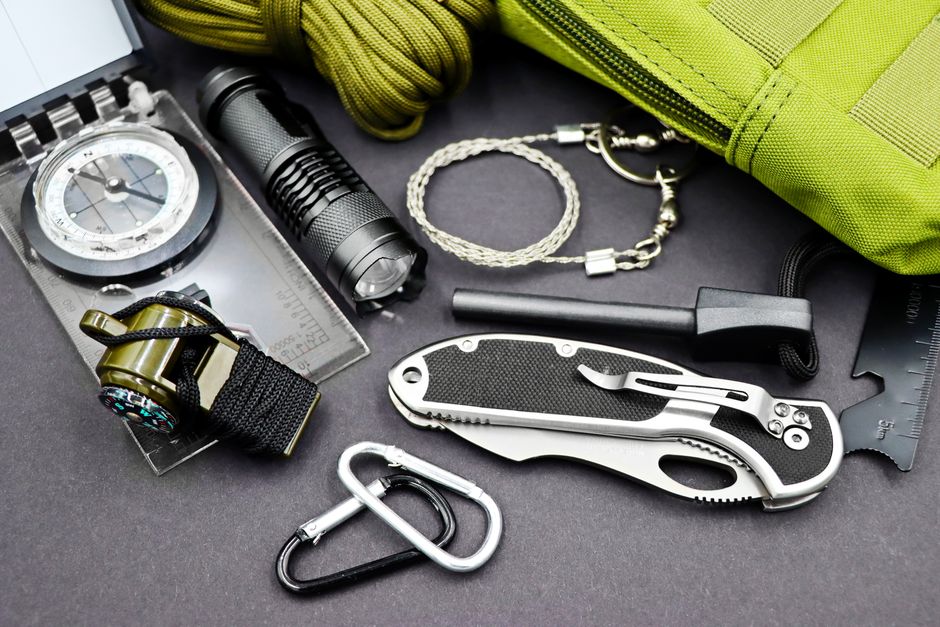
The mindset shift that makes this system permanent: your essentials pouch and master list stay "packed" between trips.
When you return from a holiday, you don't scatter items back to their original homes around the house. You refill Zone 1 immediately. Chargers go back in the pouch. Medications get restocked. The pouch goes in the cupboard, ready.
Your master list lives on your phone. It doesn't get deleted or filed away. It's always there, ready to be ticked off for the next trip.
This is how you cut prep time in half. Not by packing faster, but by eliminating the need to rebuild your system from scratch every single time.
Try this for one trip. Set up your three zones the night before. Follow your master list. Pack in the morning using the zone system. You won't go back to chaotic midnight packing sessions.
If you're planning your next family holiday and want expert guidance on toddler-friendly destinations that make the packing worthwhile, Toddler Vacay provides detailed destination guides with practical metrics on accessibility, safety, and family amenities.


