How to Actually Divide Responsibilities on a Family Vacation (So One Parent Isn't Doing Everything)
You're on holiday. The kids are building sandcastles. Your partner is reading a book by the pool. And you're mentally running through whether anyone's had sunscreen in the last two hours, if there's enough milk for breakfast tomorrow, and whose turn it is for a nap.
Sound familiar?
This isn't about one parent being lazy or the other being controlling. It's about a pattern that follows most families from home straight onto the plane. The same person who manages the household calendar, remembers the dental appointments, and knows which child won't eat anything green becomes the default holiday manager too.
The result? One parent works harder on vacation than they do at home. The other genuinely relaxes, often without realising the imbalance exists.
This is fixable. It requires explicit conversations, clear ownership of tasks, and a willingness to challenge assumptions about who does what. Here's how to actually rebalance the load before and during your next family trip.
Why Family Holidays Feel Like Work for One Person (Usually Mum)

Family holidays magnify whatever division of labour already exists at home. If one parent handles most of the domestic workload during normal life, that pattern intensifies when you add travel logistics, unfamiliar environments, and disrupted routines.
The numbers tell the story. Women perform nearly two-thirds of child care worldwide, and the average woman spends 37% more time on household chores than the average man. That imbalance doesn't disappear when you book a holiday. It just relocates.
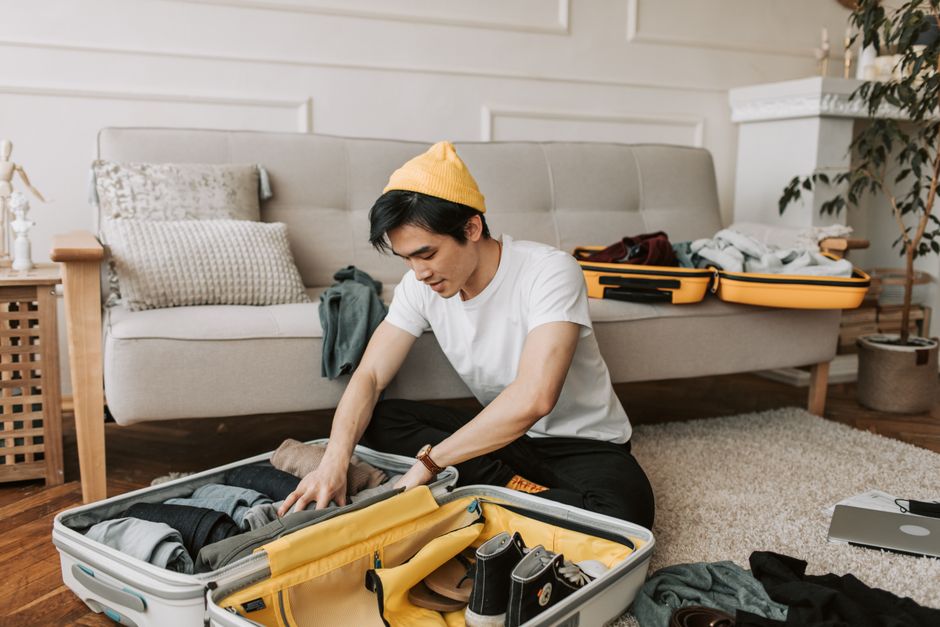
One parent does the holiday admin: researching accommodation, packing everyone's belongings, remembering medications, planning meals around dietary requirements, tracking nap schedules. The other parent shows up and enjoys the trip.
This isn't inevitable. It's a systemic issue that requires intentional planning to fix.
The invisible labour: planning, packing, and managing everyone's needs
Invisible labour is the mental load of remembering, planning, and coordinating. It's not just executing tasks. It's being the only person who knows that your youngest needs their asthma puffer at bedtime, that your partner's favourite shirt is in the wash, that you're running low on nappies.
Eve Rodsky documented this in her Fair Play research, identifying over 1,000 tasks involved in running a household. Holidays add hundreds more temporary tasks on top of that baseline.
The cognitive burden isn't the individual tasks. It's being the only person tracking everything. It's exhausting, and it turns holidays into work.
What happens when one parent does all the 'holiday admin'
Research shows that women responsible for more home administration experience greater personal strain and marital dissatisfaction. The pattern creates a resentment cycle: one parent feels exhausted and unseen, the other feels criticised and confused about what they're supposedly doing wrong.
When people are dissatisfied with how labour is divided, marriages suffer. Both partners experience distress from perceived inequality, though women are particularly sensitive to imbalances.
The good news? This is repairable with intentional changes. You don't need to accept this as how holidays work.
Before You Leave: Split the Planning and Packing

Pre-trip planning sets the foundation for everything that follows. If one parent handles all the research, booking, and packing, they've already established themselves as the default manager before you even leave home.
Dividing tasks before departure prevents that pattern from starting. This requires explicit conversations and clear agreements about who owns what. Not who'll "help" with what. Who owns it.
Create a shared task list (and assign ownership, not just 'help')
There's a critical difference between owning a task and helping with someone else's task. Ownership means full responsibility from planning through execution. Helping means waiting to be told what to do.
The Fair Play system uses cards for specific tasks, with clear ownership assigned to one partner. Both partners hold cards. Both partners own complete responsibilities.
For holidays, this might look like: one parent owns accommodation research and booking (finding options, reading reviews, making the reservation, confirming details). The other owns activity planning and tickets (researching what to do, checking age requirements, booking and managing tickets).
Vague assignments like "we'll both pack" don't work. Require specific ownership of each category.
The 'you pack them, you're responsible' rule for kids' belongings
Whoever packs a child's belongings becomes responsible for remembering and managing those items during the trip. This prevents the common dynamic where one parent packs everything, then becomes the default finder of lost jumpers, the keeper of spare clothes, the person who knows where the swimmers are.
Split this however makes sense for your family. One parent per child. Or one parent does clothes, the other does toiletries and entertainment. The structure matters less than the accountability.
This isn't punitive. It's natural accountability that distributes the mental load.
Divide research tasks: accommodation, activities, and meal planning
Break down the major research categories and assign complete ownership. Ownership includes making decisions, not just presenting options for the other parent to approve.
The Fair Play system emphasises establishing shared values and standards so each parent can make decisions independently. If you've agreed that accommodation needs a kitchen and a separate bedroom for the kids, the parent researching accommodation can book something that meets those criteria without seeking approval for every option.
Don't assign one parent all the "fun" tasks (activities) while the other gets "boring" tasks (accommodation). Rotate these responsibilities on future trips.
During the Holiday: Daily Responsibilities That Actually Balance

Good pre-trip division means nothing without daily follow-through. The same explicit ownership that worked for planning needs to apply to execution.
Flexibility is necessary. Rigid schedules create their own stress. But structure prevents default patterns from taking over.
Morning vs evening shifts: who gets the kids ready, who does bedtime
Alternate full ownership of morning routine (breakfast, getting dressed, sunscreen application) and evening routine (dinner, bath, bedtime). Full ownership means the off-duty parent is genuinely off. No supervising. No correcting. No being asked questions.
The Fair Play principle that all time is created equal applies here. Both parents deserve uninterrupted breaks. The on-duty parent handles everything without deferring decisions to their partner.
If you're off-duty, you're actually off.
Meal responsibility rotation (including the mental load of deciding what to eat)
Meal responsibility includes deciding what to eat, not just executing someone else's plan. The mental load of figuring out what everyone will eat, accommodating preferences, and making it happen is often harder than the physical task of preparing food.
Alternate days where one parent owns all meals, or split breakfast and lunch versus dinner. The responsible parent makes the decisions. The other parent doesn't veto or complain about choices.
If you don't like what's being served, you can own the next meal.
The 'off-duty' block: scheduling genuine downtime for each parent
Schedule specific blocks where each parent is completely off-duty. Not just less busy. Actually off.
Genuine downtime means the other parent handles everything during that period. Questions, conflicts, needs. No interrupting the off-duty parent unless there's an actual emergency.
Minimum two to three hour blocks where the off-duty parent can nap, read, exercise, or leave the accommodation entirely. This isn't a luxury. It's essential for preventing burnout and resentment.
Toddler Vacay specialises in helping families plan trips that actually work for everyone, including building in realistic downtime for both parents. Sometimes having an expert perspective on what's achievable makes the difference between a holiday that recharges you and one that leaves you more exhausted than when you left.
When It Goes Wrong: Resetting Mid-Holiday Without a Fight
Even with good planning, old patterns can resurface. One parent ends up doing more. The other doesn't notice until resentment has already built.
This doesn't mean the whole system failed. It means you need a mid-course correction. Don't wait until after the holiday to address it.
How to raise the issue when you're already exhausted and resentful
Choose a calm moment. Not mid-meltdown. Use specific language that focuses on the problem, not the person: "I'm feeling overwhelmed and need us to rebalance responsibilities."
Use specific examples rather than generalisations. "I've handled every meal decision for three days and I need you to own dinner tonight" is clearer than "You never help with anything."
Both men and women experience distress from perceived inequality. Framing this as a mutual problem that affects both of you makes it easier to solve together.
Don't keep score. Don't list everything you've done. Focus on what needs to change going forward.
Quick rebalancing: the 24-hour responsibility swap
The parent who's been doing less takes full responsibility for the next 24 hours. Everything. Meals, activities, managing the kids, making decisions.
This gives the overwhelmed parent a genuine break and demonstrates the actual workload to the other parent. It recalibrates understanding of what "equal" actually means.
This isn't punishment. It's a collaborative reset that benefits both parents.
Making Your Next Holiday Fairer From the Start
Holidays shouldn't feel like work for one person. Research consistently shows that couples who agree on equitable labour division are generally happier, with belief in equality significantly impacting satisfaction for both partners.
Use this holiday as a learning experience. What worked? What didn't? What would you change next time?
Before your next trip, have a debrief conversation. Pre-assign tasks based on what you learned this time. Adjust the system to fit your family better.
Ready to plan a family holiday that actually works for both parents? Toddler Vacay can help you design trips with realistic expectations, balanced responsibilities, and genuine downtime built in. Get in touch for expert guidance on making family travel sustainable for everyone involved.