
All-Inclusive vs Self-Catering: Which Actually Works Better with Toddlers
You'll find passionate advocates on both sides of this debate. Some parents swear by all-inclusive resorts where everything's handled. Others wouldn't dream of holidaying without their own kitchen. The truth? Neither option is universally better. What works depends entirely on your toddler's temperament, your tolerance for holiday admin, and what actually makes you feel like you're on a break.
This isn't about which accommodation type wins on paper. It's about which one stops you from spending your supposed relaxation time negotiating with a tiny human who's simultaneously overtired, overstimulated, and refusing to eat anything that isn't beige.
The Toddler Holiday Paradox: Why Your Accommodation Choice Matters More Than You Think
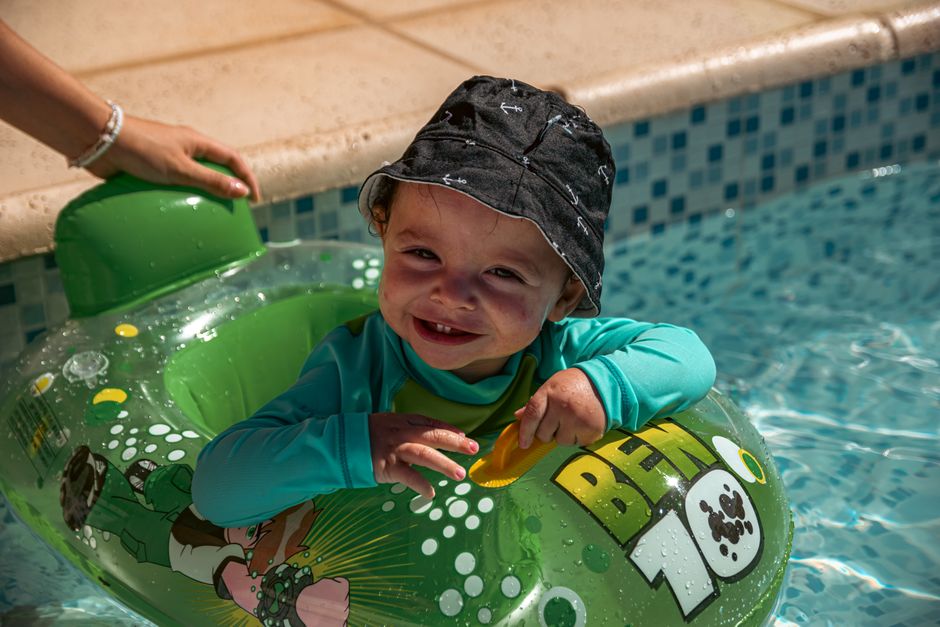
Here's the paradox: you're trying to relax while managing someone who needs strict routine but also melts down in unfamiliar environments. While 65% of people prioritise relaxation trips, toddlers fundamentally redefine what relaxation means. Your idea of unwinding probably doesn't involve enforcing a 1pm nap in a hotel room while everyone else is at the pool.
Your accommodation choice determines whether you're working with or against your toddler's needs. Get it wrong, and you'll spend the week fighting their schedule, their food preferences, and their need for downtime. Get it right, and you might actually enjoy yourself.
This comes down to nap schedules, meal times, and meltdown prevention. Not travel philosophy. The best accommodation type is whichever one means you're not spending Tuesday afternoon trapped in a dark room because your toddler finally fell asleep and you've got nowhere else to sit.
All-Inclusive with Toddlers: What You're Actually Paying For

All-inclusive isn't just about unlimited food. You're buying the removal of daily decisions. No meal planning. No grocery shopping in a foreign language. No working out where to eat tonight when everyone's already hungry.
Typically, family all-inclusive packages include kids' clubs, multiple dining venues, and organised activities. What costs extra varies wildly between resorts, so check whether premium restaurants, certain water sports, or babysitting services are included or additional.
The value proposition only works if your toddler will actually use these facilities. A kids' club is worthless if your 18-month-old screams when you try to leave. Buffet variety means nothing if they'll only eat plain pasta.
Meals Without Meltdowns: The Dining Reality
The appeal is obvious: no cooking, no dishes, and usually something beige and carb-heavy available for fussy eaters. You can walk into the dining room at mealtimes and walk out when you're done.
The reality is messier. Buffet service times might clash with your toddler's schedule. You've got limited control over ingredients if you're managing allergies. And busy dining rooms can be overwhelming for toddlers who are already overstimulated from a day in the sun.
Having multiple dining options helps. Poolside snack bars, main buffets, and à la carte restaurants give you flexibility for early dinners or quick lunches when your toddler decides they're starving right now. But don't expect stress-free dining. Some toddlers struggle with the noise, the crowds, and the expectation to sit still in an echoey room full of strangers.
The Hidden Time Cost: Buffets, Kids' Clubs, and Scheduled Activities
All-inclusive activities run on fixed schedules. This creates subtle pressure to get your money's worth. You've paid for it, so you feel like you should use it.
Kids' clubs have drop-off times and settling-in periods. Many toddlers under three aren't ready for group care in an unfamiliar setting with staff they've never met. Even if your toddler settles, you'll spend the first session hovering nearby in case they need you.
Large resorts mean walking. A lot. From your room to breakfast, from breakfast to the pool, from the pool back to your room for nap time. With a toddler who wants to be carried, this eats into your day faster than you'd expect.
Self-catering doesn't come with this mental calculation. You're not constantly wondering whether you're using the package enough to justify the cost.
When All-Inclusive Backfires: The Flexibility Trade-Off
All-inclusive creates friction when your toddler's schedule doesn't align with resort operations. They nap through lunch service. They want dinner at 5pm when the restaurant opens at 6pm. They refuse everything on offer and you've got no backup options in your room.
There's also the resort bubble effect. You're less likely to explore local areas because you've already paid for everything on-site. Why spend money on a restaurant in town when unlimited meals are included?
Illness or bad weather can mean paying for services you can't use, with no way to recoup costs. If your toddler spikes a fever on day two, you're stuck in your room for three days while your all-inclusive package ticks away unused.
This isn't about all-inclusive being bad. It's about recognising when the structure becomes a constraint rather than a benefit.
Self-Catering with Toddlers: The Control You Gain (and the Work You Take On)

Self-catering trades convenience for control. You get to run things on toddler time. You also bring your domestic workload on holiday.
You'll be cooking, cleaning, and meal planning while supposedly relaxing. But in exchange, you're not beholden to anyone else's schedule. If your toddler needs dinner at 5:30pm, you can make that happen. If they're having a rough day and need to eat pasta for the third meal running, that's fine too.
The question is whether the freedom is worth the labour. For some families, absolutely. For others, it defeats the purpose of a holiday.
Nap Time on Your Terms: The Schedule Advantage
Self-catering lets you protect toddler sleep schedules without missing meals or activities you've paid for. When your toddler naps, you can sit in the living area with a book and a coffee instead of being trapped in a dark hotel room.
Routine-dependent toddlers often settle better in apartment-style accommodation with separate sleeping areas. They can go to bed at their normal time while you have dinner in the next room.
You can feed your toddler at 5:30pm, put them to bed at 7pm, then have your own dinner in peace. Try doing that in a hotel room or while adhering to resort dining schedules.
The Supermarket Reality: Shopping Abroad with a Toddler in Tow
You will spend part of your holiday in foreign supermarkets. Possibly jet-lagged. Definitely deciphering labels and trying to work out which yoghurt is the plain one.
The strategy is one big shop on arrival plus top-ups throughout the week. This eats into your first day. You're tired, your toddler's tired, and you're navigating an unfamiliar shop trying to find bread and milk.
The upside: you can buy familiar foods for fussy eaters, control ingredients for allergies, and save money if your family eats a lot. A toddler who goes through three snacks and two milk bottles a day makes self-catering significantly cheaper than buying everything at resort prices.
Don't romanticise the authentic local market experience. It's work, even when it's interesting work.
Kitchen Cleanup vs Pool Time: The Energy Equation
Someone is washing dishes, wiping counters, and managing meal prep while on holiday. That someone is you.
There's also the mental load of planning meals, even simple ones, when you're supposed to be switching off. What are we having for lunch? Did we buy enough fruit? Is there bread for tomorrow's breakfast?
Self-catering works best when you lower your standards. Simple meals. Paper plates for some meals. Accepting that you won't cook like you do at home. If you're trying to produce elaborate dinners every night, you're doing it wrong.
The counterpoint: 30 minutes of kitchen cleanup might be worth it for the three hours of schedule flexibility you gain. Only you know whether that trade-off works for your family.
The Real Deciding Factors: Which Style Matches Your Toddler (and Your Sanity)
This isn't purely a budget decision. Sometimes the more expensive option delivers better value because it actually lets you relax.
The following factors will help you identify which accommodation type matches your family's specific pain points. Because what works for someone else's toddler might be completely wrong for yours.
If Your Toddler Is a Routine-Dependent Sleeper
Rigid nap schedules and early bedtimes strongly favour self-catering flexibility. If your toddler needs to be in bed by 7pm or the next day is ruined, all-inclusive dining schedules become a problem fast.
All-inclusive can work if the resort offers in-room dining or very flexible meal times. This is rare. Most resorts have set service windows that won't align with a toddler's early dinner needs.
Protecting sleep often matters more than any other convenience factor. Overtired toddlers ruin holidays regardless of how nice your accommodation is.
Some families choose all-inclusive but book a suite with a kitchenette as a hybrid solution. You get resort facilities but can handle early dinners and breakfast in your room.
If You're Travelling Solo or Without Extended Family Help
Solo parents or couples without grandparent help often benefit more from all-inclusive support structures. When you're the only adult, having meals handled and kids' clubs available provides crucial breaks.
Self-catering means one parent is always on duty for meals while the other entertains the toddler. There's no downtime. You're just doing your normal routine in a different location.
That said, some solo parents prefer the control and quieter environment of self-catering. It depends whether you find cooking relaxing or exhausting.
If Your Toddler Has Food Allergies or Strong Preferences
Dietary restrictions or extreme pickiness often tips the scales toward self-catering control. While many all-inclusive resorts accommodate allergies, you're relying on kitchen staff and potentially language barriers for safety.
Fussy eaters who only eat five specific foods make all-inclusive poor value. You're paying for variety you won't use. If your toddler will only eat a particular brand of pasta or specific type of bread, you need your own kitchen.
Some families with allergies choose all-inclusive but bring supplementary foods, creating a hybrid approach. Check resort policies on bringing food into the country before you book.
The Hybrid Approach: Why Your Next Holiday Might Need Both
The binary choice is often false. Many families benefit from mixing elements of both accommodation types.
Consider self-catering with some meals out. Or all-inclusive with a kitchenette. Or half-board options where breakfast is included but you handle other meals yourself. An apartment with breakfast included gives you flexibility for lunch and dinner while removing the morning meal stress.
Some families book all-inclusive for the first half of their trip when they're tired and need support, then move to a self-catering villa for the second half when they've found their rhythm. Others use meal delivery services in self-catering accommodation to get the best of both worlds.
The best solution often resolves the tension between structure and flexibility by combining elements of both. There's no perfect choice, only the choice that matches your toddler's current stage and your family's priorities right now.
If you're struggling to work out which option suits your family, Toddler Vacay specialises in helping parents navigate these decisions with practical, experience-based guidance. Sometimes talking through your specific situation with someone who understands toddler travel makes the choice much clearer.