9 Mistakes That Ruin First Toddler Vacations
Your first family trip with a toddler doesn't need to be a disaster. But it probably will be if you approach it like any other holiday you've taken before.
Most parents envision relaxation. What they get instead: public meltdowns in airport terminals, sleepless nights in unfamiliar hotel rooms, and the sinking realisation that they've spent $2,000 to be more stressed than they were at home.
This isn't inevitable. The difference between a trip that creates memories and one that creates trauma comes down to preparation. Not the kind where you obsessively research every restaurant within a 5km radius. The kind where you understand what actually derails toddler travel and plan around it.
Why Your Dream Family Holiday Can Turn Into a Meltdown Marathon
You picture your toddler delighted by new experiences. Sleeping peacefully after a day of gentle exploration. Eating happily at beachside cafes while you finally finish that book.
Reality delivers something else entirely. Tantrums triggered by unfamiliar bedding. Refusal to eat anything that isn't shaped like a dinosaur. Sleep schedules destroyed by time zones and overstimulation.
The gap between expectation and reality creates stress that compounds quickly. When you're already managing a distressed toddler, your own capacity to cope drops. Chronic stress affects both physical and mental health, and that applies to your child as much as it does to you.
Here's what matters: this is preventable. Not by lowering your expectations to zero, but by understanding where first-time family travellers consistently get it wrong.
Mistake #1: Packing Like You're Still Travelling Solo (And Forgetting the Comfort Items)

Minimalist packing works brilliantly when you're backpacking through Southeast Asia. It fails spectacularly with a toddler who needs their specific blue blanket to sleep.
Comfort items aren't optional extras. They're the difference between a child who settles in a new environment and one who screams for three hours straight because nothing feels right.
Pack these first, before anything else:
- The actual blanket or toy they sleep with at home, not a similar one
- Familiar snacks in original packaging
- Portable white noise machine if they use one
- Their regular cup or bottle
Forget one of these and you'll pay for it. Emergency purchases abroad cost two to three times what you'd pay at home. More importantly, you'll spend the entire trip managing a distressed child instead of enjoying anything.
Framework: comfort items first, practical necessities second, nice-to-haves only if there's room.
Mistake #2: Choosing Accommodation Based on Photos, Not Toddler-Proofing
That stunning Airbnb with the spiral staircase and floor-to-ceiling windows looks perfect in photos. In practice, you'll spend the entire stay preventing your toddler from falling down stairs or smashing expensive glassware.
Instagram-worthy spaces are designed for adults who don't put everything in their mouths or test gravity by climbing furniture.
Before you book, ask specific questions:
- Ground floor or lift access?
- Kitchen facilities for preparing familiar meals?
- Enclosed outdoor space where a toddler can play safely?
- Distance to nearest medical facilities?
- Breakables that need removing?
The hidden cost isn't just broken items. It's the constant vigilance that prevents you from relaxing at all. You didn't pay for accommodation so you could spend every moment stopping your child from hurting themselves.
Mistake #3: Booking Flights During 'Normal' Nap Time
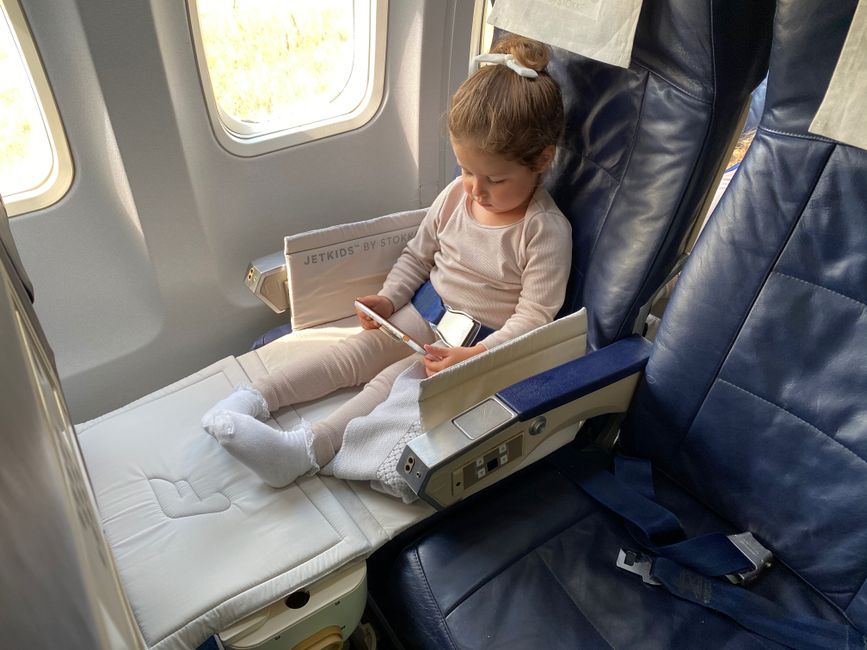
The logic seems sound: book the flight during their usual nap window and they'll sleep through it. Except they won't.
Airport security queues, fluorescent lighting, announcements, strangers, cabin pressure changes. None of this creates conditions for sleep. What it creates is an overtired toddler who's too stimulated to rest and too exhausted to cope.
Book flights during natural wake windows instead. Early morning departures work well. Post-lunch flights when they're alert but not yet tired. Mid-nap bookings guarantee you'll arrive at your destination with a child who's beyond reason.
Sleep deprivation affects emotional regulation in both children and adults. Start your trip sleep-deprived and you're already behind.
Mistake #4: Planning Each Day Like a Sightseeing Marathon
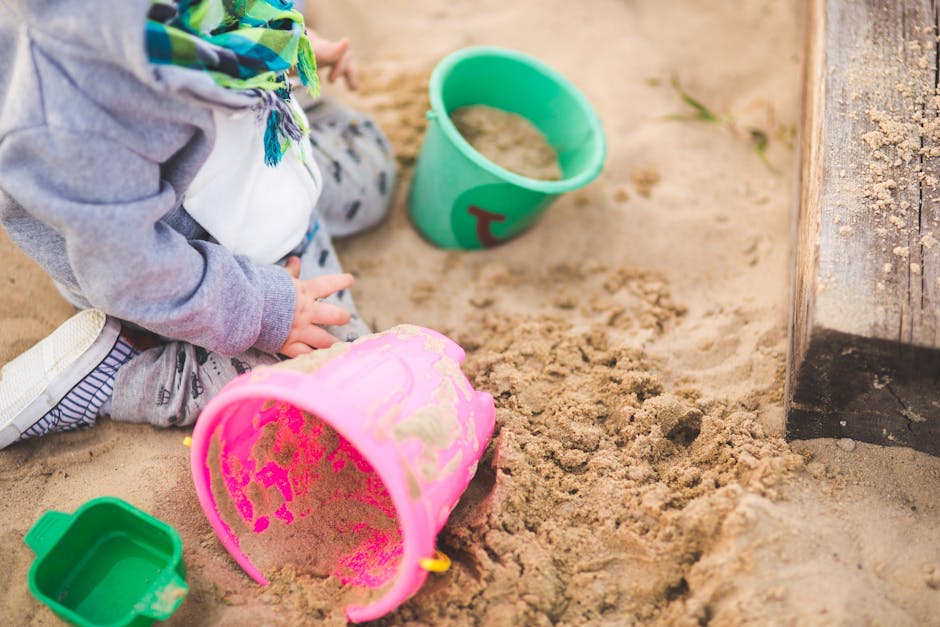
You've researched every attraction. Built a detailed itinerary. Scheduled activities from breakfast through dinner.
Your toddler will tolerate approximately one of these before melting down.
Toddlers need downtime. Not as a luxury, as a requirement. Rushing from activity to activity without breaks creates overwhelm that manifests as tantrums, refusal to cooperate, and complete shutdowns.
One major activity per day. That's it. Build in buffer time for snacks, nappy changes, unexpected meltdowns, and the reality that everything takes twice as long with a small child.
Plan 60% of your day. Leave 40% flexible. This isn't wasted time, it's the margin that prevents the entire trip from collapsing.
Mistake #5: Assuming Restaurant Meals Will Work Like They Do at Home
Restaurants present multiple problems simultaneously. Unfamiliar food. Long waits between ordering and eating. Expectations to sit still in formal settings.
Even toddlers who eat well at home struggle with this combination. You'll end up paying $80 for meals nobody eats while managing a screaming child and apologising to nearby tables.
Better approach: choose casual venues with quick service. Time meals to avoid peak crowds. Bring familiar snacks as backup. Accept that you'll need to leave if it's not working.
Self-cater for at least half your meals. This reduces pressure, saves money, and gives you control over timing and food options. It's not admitting defeat, it's being realistic about what works.
Mistake #6: Skipping the Pre-Trip Sleep Routine Rehearsal
Bedtime in a new environment fails because toddlers rely on familiar cues to settle. Different room, different bed, different sounds, different light levels. Everything signals "this isn't where I sleep."
Two weeks before you leave, start practising your portable sleep routine at home. Set up the travel cot in their room. Use the portable blackout blinds. Run through your condensed bedtime ritual.
This gives them time to associate these new items with sleep before you add the stress of an unfamiliar location.
Your toddler needs consistent sleep for emotional regulation. You need it for stress management. Neither happens if you're trying to introduce new sleep equipment for the first time in a hotel room at 10pm.
Mistake #7: Bringing Zero Backup Plans for Weather or Tantrums
Rigid plans create stress when reality doesn't cooperate. Weather changes. Toddlers have off days. Attractions close unexpectedly.
For every outdoor activity you've planned, research three indoor alternatives. Not as a pessimistic exercise, as practical preparation.
Pack a tantrum toolkit: quiet toys, familiar snacks, comfort items, headphones for when they're overstimulated. You won't need all of it. You'll be grateful it's there when you do.
Flexibility saves money. When you can pivot quickly, you don't waste bookings or make expensive emergency purchases because you're desperate.
Mistake #8: Forgetting That You'll Need Downtime Too
Constant toddler supervision without breaks increases stress and reduces your capacity to be patient. You can't pour from an empty cup, and you can't parent well when you're completely depleted.
This isn't selfish. Physical activity and brief moments of calm improve emotional wellbeing, which makes you more present and effective with your child.
Tag-team parenting. One parent takes the toddler to the playground while the other has coffee alone. Swap. Book accommodation with separate spaces so someone can have quiet time while the other handles bedtime.
Schedule one parent break daily. Thirty minutes where you're not responsible for anyone else. It's not optional, it's essential.
Mistake #9: Expecting the Holiday to Feel Like a Holiday
Your first toddler trip isn't a holiday in the traditional sense. It's parenting in a different location.
This reframe prevents disappointment when reality doesn't match your fantasy of relaxation. Stress comes as much from unmet expectations as from actual challenges.
Measure success differently. Did you create moments of connection? Did your child experience something new? Are you building family memories, even messy ones?
Personal relaxation isn't the goal here. That comes later, when they're older. Right now, you're laying foundations for future family travel and teaching your child that new experiences can be positive.
Toddler Vacay specialises in helping families navigate these early trips with realistic planning frameworks that account for developmental needs, not just destination highlights.
Your First Toddler Trip Won't Be Perfect — But It Can Still Be Worth It

Every family faces challenges on their first trip with a toddler. Imperfection is normal. It doesn't mean you've failed.
What separates trips that create positive memories from ones that create trauma is preparation. Proper planning around comfort items, realistic scheduling, flexible backup plans. Managing expectations so you're not devastated when it doesn't feel like a traditional holiday.
Avoiding these nine mistakes gives you the best chance of success. You'll still have difficult moments. But you won't have preventable disasters that could have been avoided with better preparation.
These trips build resilience. They teach your child that new environments can be safe and enjoyable. They create foundations for future family travel, even when they're messy and imperfect.
Ready to plan your first toddler trip with expert guidance? Toddler Vacay can help you avoid these common mistakes and create a realistic plan that works for your family's specific needs.